




Bringing Back Fire: A Defense for a Misunderstood Element
By Brandon Smith, Research Intern
Two years ago, Texas and Oklahoma experienced the largest fires in their recorded history. This year, two weeks before wildfire season was supposed to begin officially, Oklahoma had a wildfire that was already a quarter of that size. Increased wildfire intensity and activity is something we’ve grown accustomed to seeing in the news, but what if I told you that fire is more than the destructive force that we’ve been conditioned to believe it is?
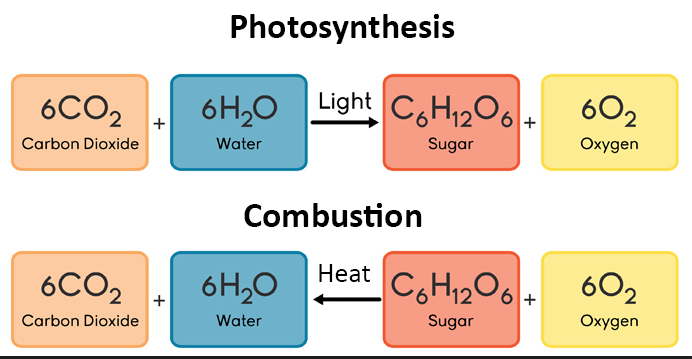
Combustion, commonly known as burning, is an exact chemical opposite to photosynthesis. This means that when a grown plant burns, it completes a life cycle that redeposits minerals back into the soil while also acting as a naturally occurring method of managing vegetation growth.
Indigenous Americans recognized this and used it as a multi-faceted tool that we now call prescribed burning. However, due to over a century of fire suppression, we’ve allowed plants to grow unchecked, leading to significant ecological changes in an area that historically burned every five to seven years.
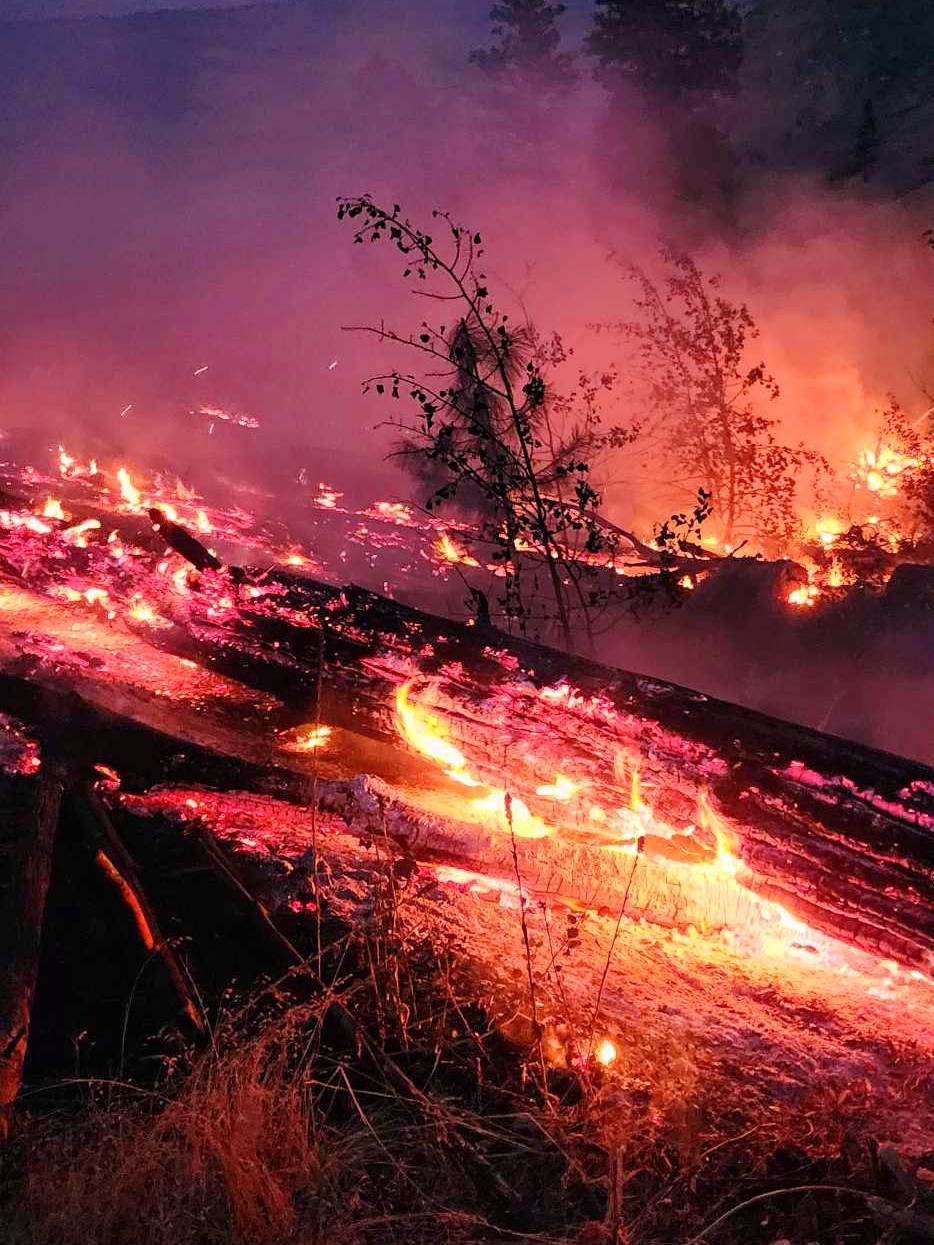
Thankfully, we still use prescribed fire today, and many of you have likely seen burns conducted at places like the Houston Arboretum, University of Houston Coastal Center, and even here at University of Houston-Clear Lake. Because coastal prairies are adapted to frequent fire disturbances, these burns help regenerate native prairie species, restore soil nutrients, and improve wildlife habitat.
However, it’s important to note that prescribed fire isn’t always the first step. In many cases, vegetation needs to be reduced before fire can be reintroduced safely as a management strategy, and this would be more easily achieved with more community involvement.
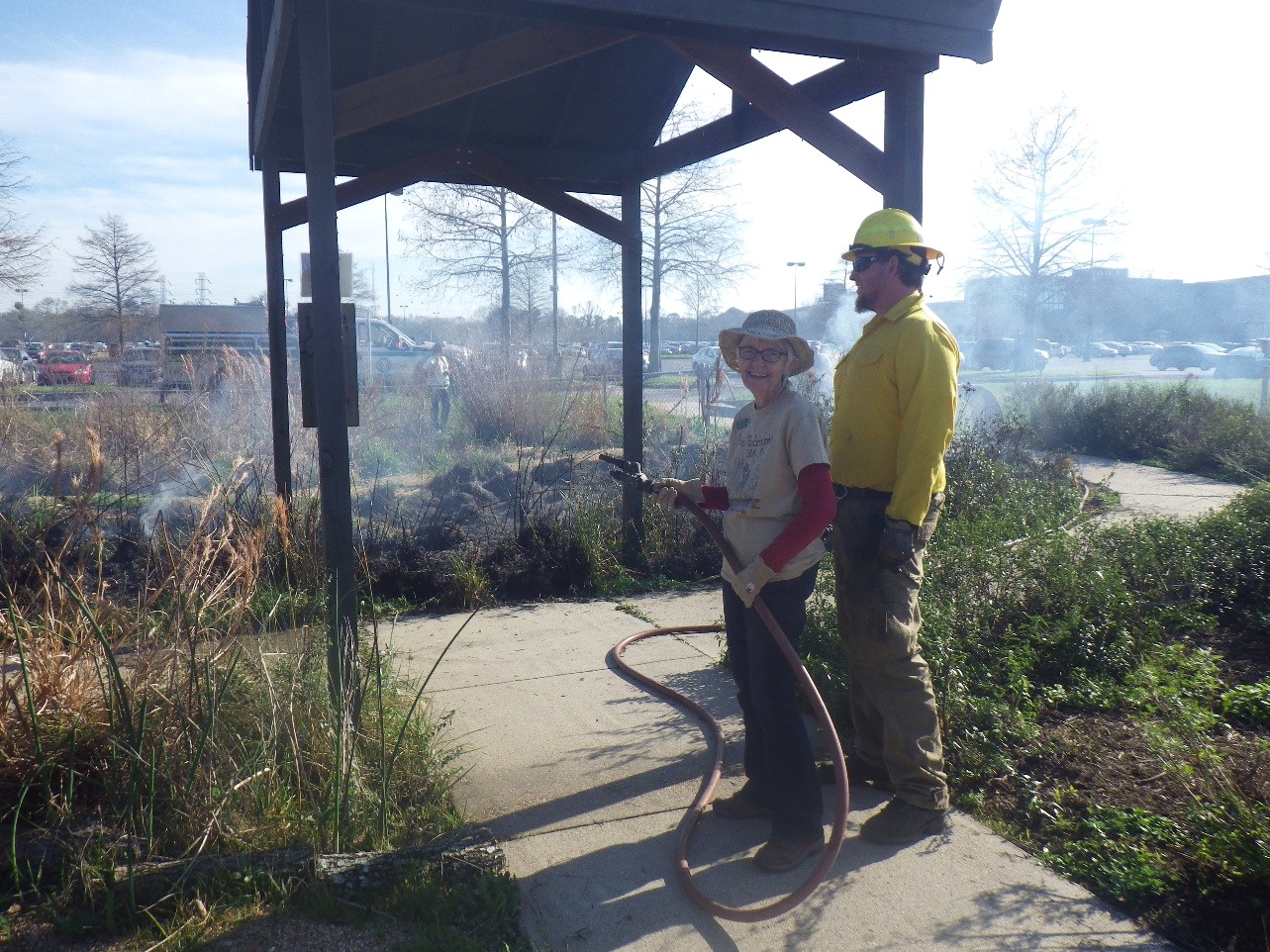
More recently, I’ve been developing a project proposal that will create opportunities for community participation in nature-based solutions for improving ecological resilience. These exist in many parts of the county and are known as Prescribed Burn Associations (PBA).
While existing PBA structures in Texas have been effective in supporting prescribed fire implementation, they are often limited to repeatedly burning the same acreage due to being more concentrated in non-urbanized areas of the state. My goal is to expand upon that framework by developing an approach that also delivers broader ecological, educational, and community-based benefits across the Texas coast. Additionally, many organizations in the Houston-Galveston metroplex are interested in prescribed burning but lack the capacity or trained personnel, so by building a trained community network, we can support both active burns and preparation of future burn units. Community-driven management enables the reintroduction of fire as a natural disturbance, which leads to ecological improvements to enhance coastal resilience and ecosystem health.
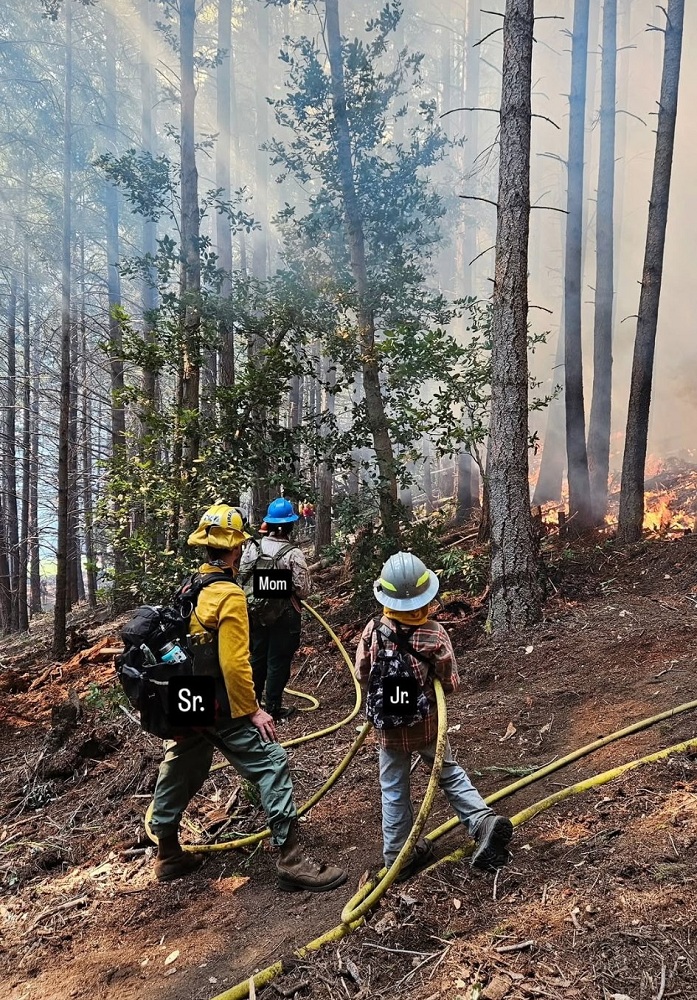
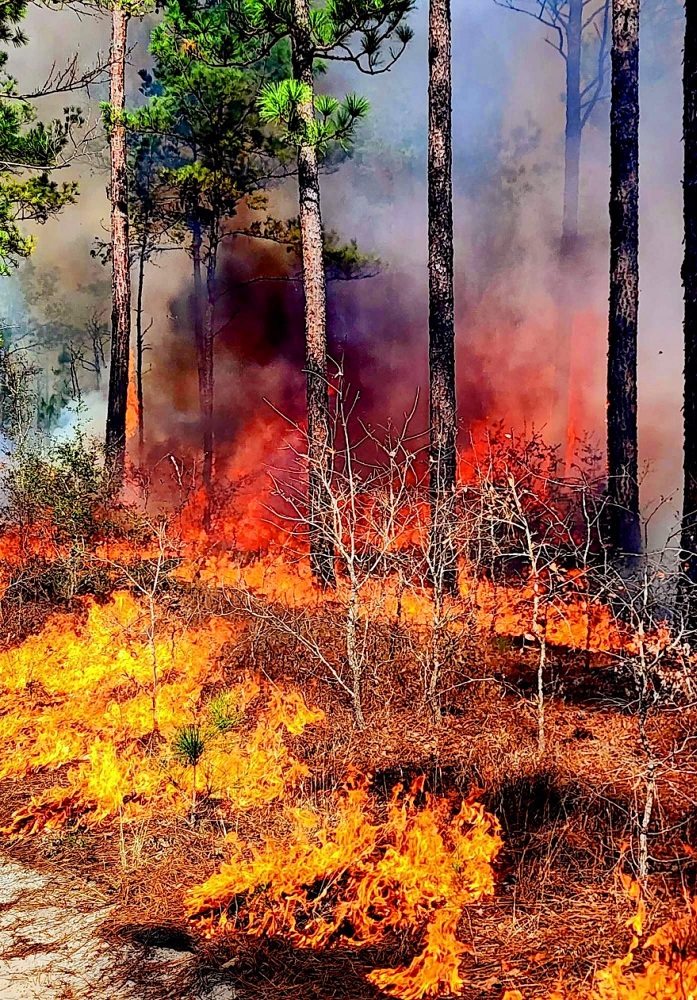
Figure 4. A family belonging to a PBA in northern California.
Contact
-
Environmental Institute of Houston
Phone: 281-283-3950
Email: eih@uhcl.eduNorth Office Annex
2700 Bay Area Blvd, Box 540
Houston, TX 77058-1002

